Seminar and workshops
TABLE OF CONTENTS
1. Training Session on Fire Safety
2. Rendering Techniques Workshop
3. Architectural rendering Seminar
4. Origami Workshop
5. Mud ArchitectureWorkshop
1. Training Session on Fire Safety
The first ever FSAl students chapter of Southern India has been launched in Ashoka School of Planning and Architecture. The below mentioned delegates are present for the event
FSAI Delegates:
1. Mr.Prasad Nishtala -President.
2. Mr.Chandra Sekhar-Secretary
3. Ms.Hari Priya – Chapter Executive
4. Mr.Farhaz- Trainer
5. Mr.Raghavendra – Chair Trainings
6. Mr.Anand – Chair-Members
7. Mr Varun – Sponsor of Extinguishers and
ASPA Faculty Coordinator:
8. Prof.Srinivas
Students Coordinator:
9. Mr.Sai Varma
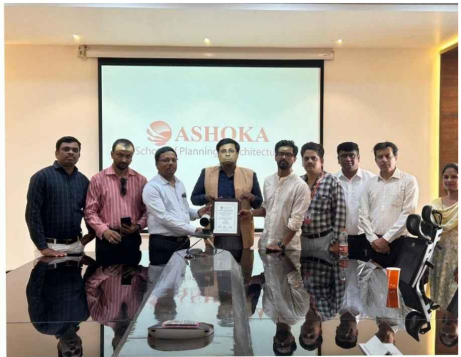
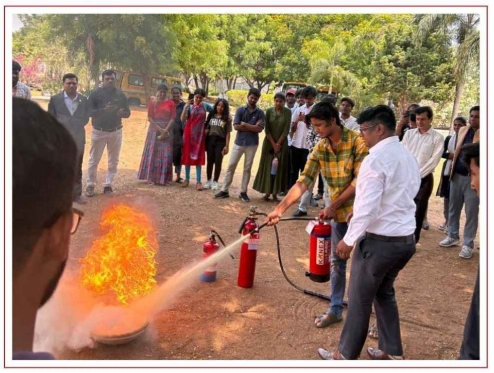
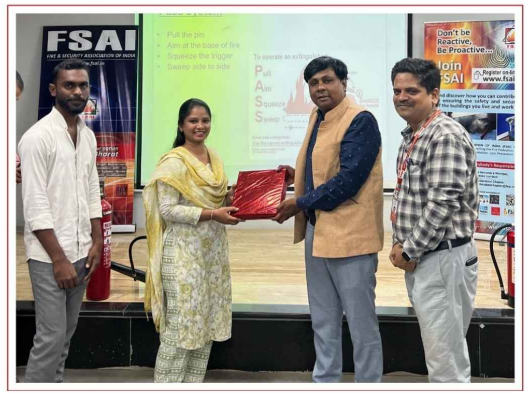
A Training session regarding fire safety and handling of fire extinguishers has been demonstrated by the trainees. Our respected secretary Mr.Arjun Nomula of ASPA honoured all the delegates at the end of the program.
1. A. Session on fire Safety
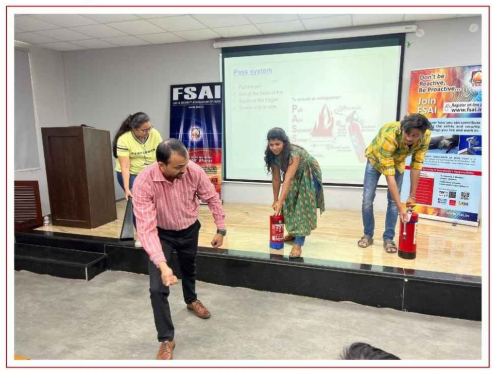
A session regarding fire safety and about the handling techniques of fire safety equipment has been instructed by the trainers during the program.
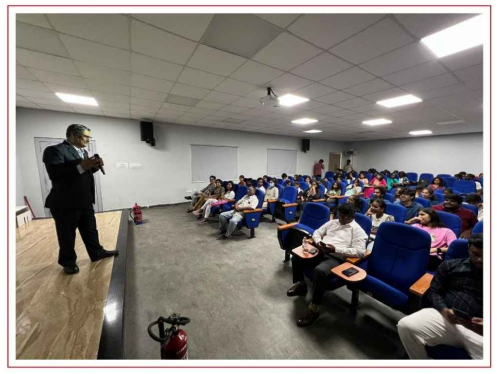
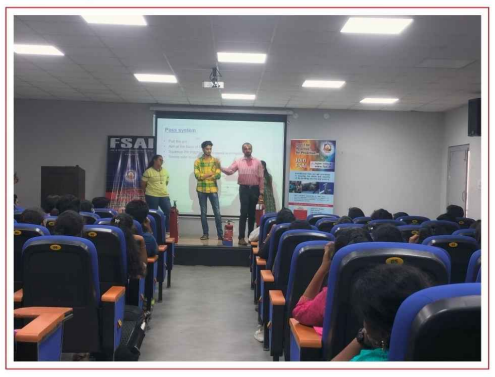
1. B. In-house training
A brief lecture has been taken by the delegates to create the awarness about the installment of fire safety equipments.
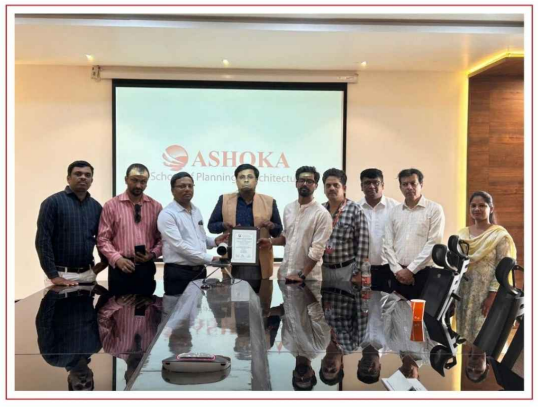
1. C. Glimpses of the Program
Finally prize distribution and mementos was distributed to all the students and delegates
2. Rendering Techniques Workshop
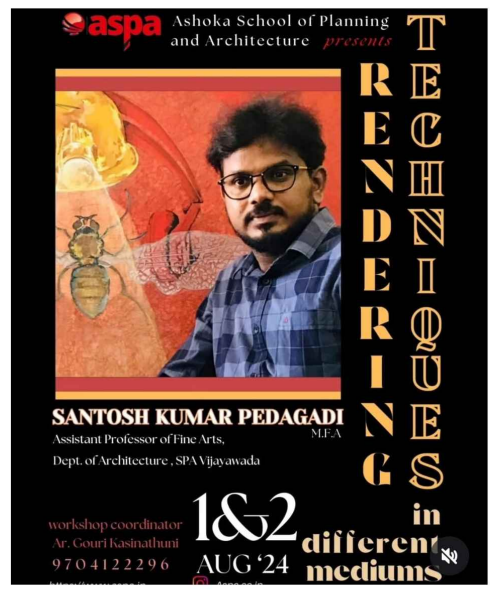
“Bringing visions to life: Mastering the art of architectural rendering.” The “Rendering Techniques” Workshop was held on August 01 & 02 in ASPA which was conducted by the
Resource Person:
Ar.Santosh Kumar Pedagadi
Asst. Professor SPA,Vijayawada.
Andhra Pradesh.
2. A. Introduction and Objective
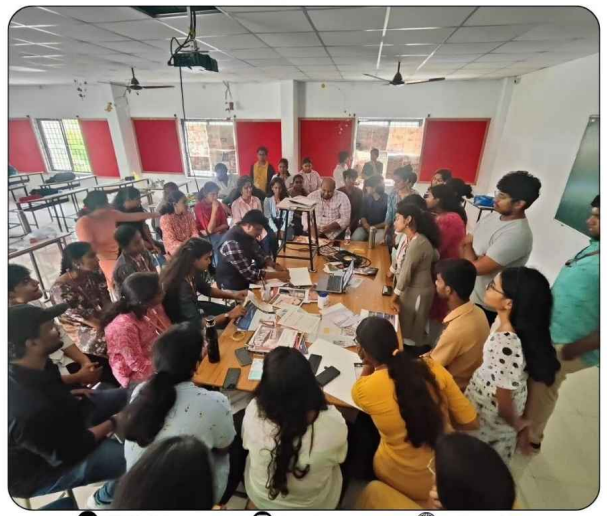
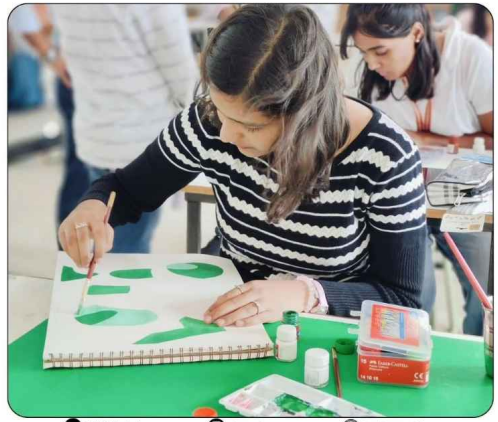
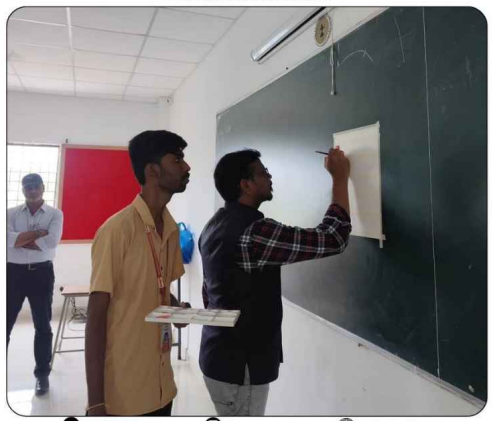
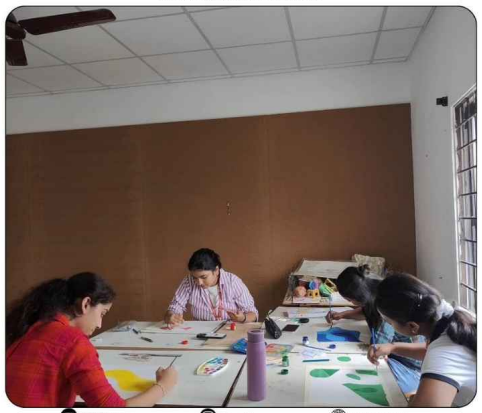
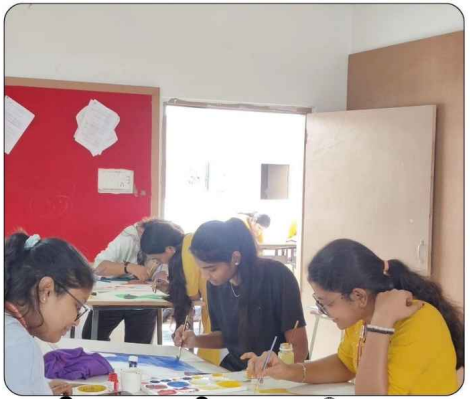
The Rendering Technique Workshop at ASPA was an engaging and informative event aimed at enhancing participants’ skills in the art of rendering, particularly in relation to Architectural design, digital art, or product design. The workshop brought together students, Faculty, and professionals to explore advanced rendering methods and tools used in various creative fields.
2. B. Key Takeaways
- Improved Technical Skills: Participants gained valuable insights into howrendering software works and how to achieve realistic visual effects.
- Collaboration and Interaction: The hands-on sessions encouraged collaboration among participants, fostering creative exchange.
- Real-World Application: Participants learned how to incorporate rendering into their professional practice, whether in design, architecture, or other fields.
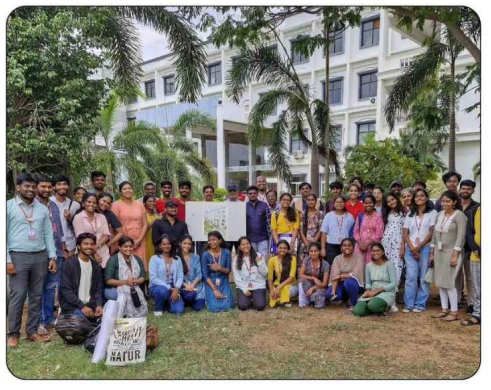
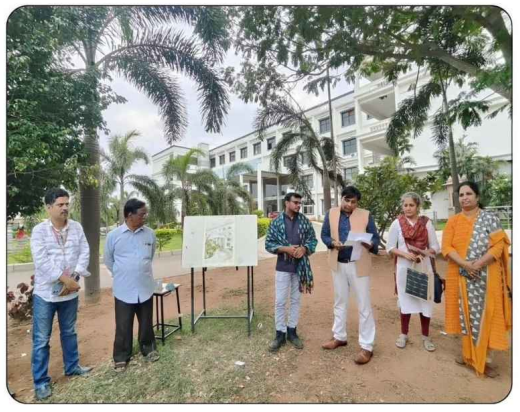
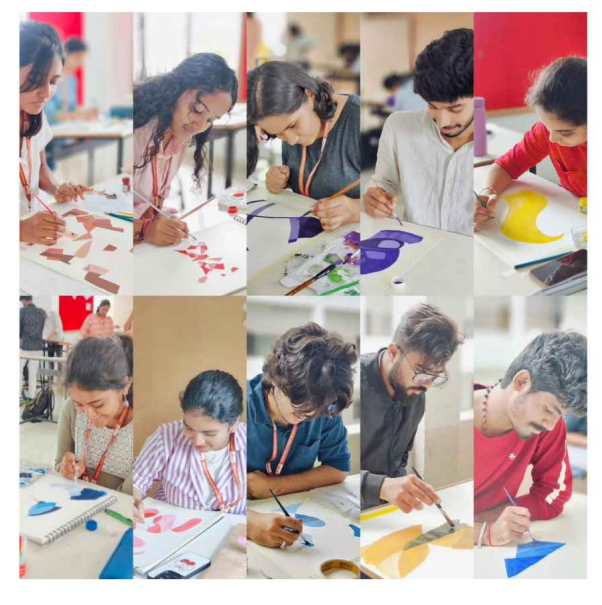
2. C. Glimpses of the Event
Practical Exercises:
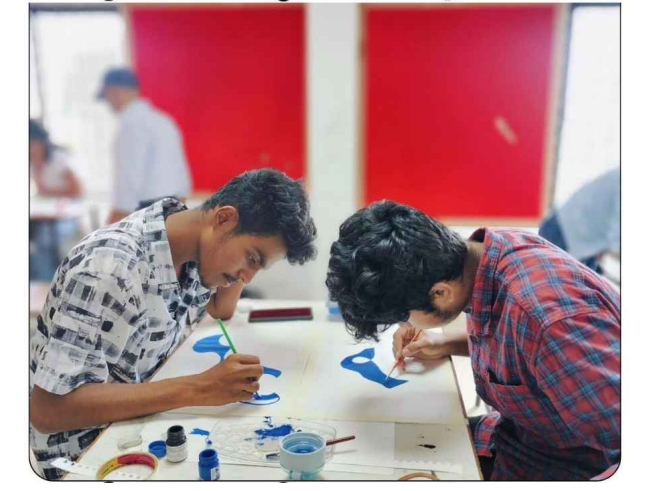
To allow participants to apply the techniques they had learned, the workshop included practical exercises where participants were asked to render their own projects or work on a collaborative piece using the learned techniques.
3. Architectural rendering Seminar
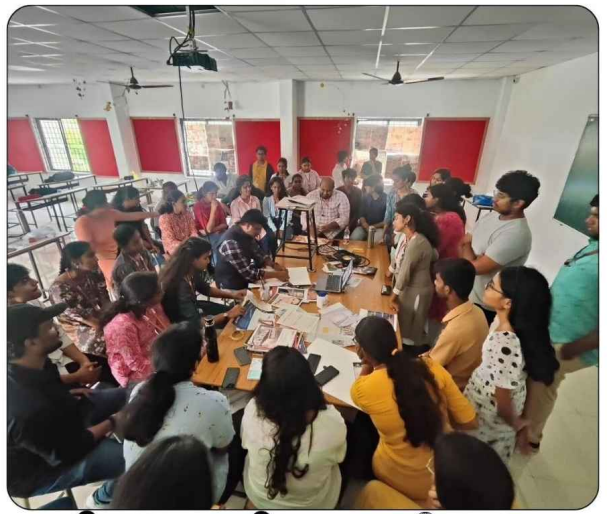
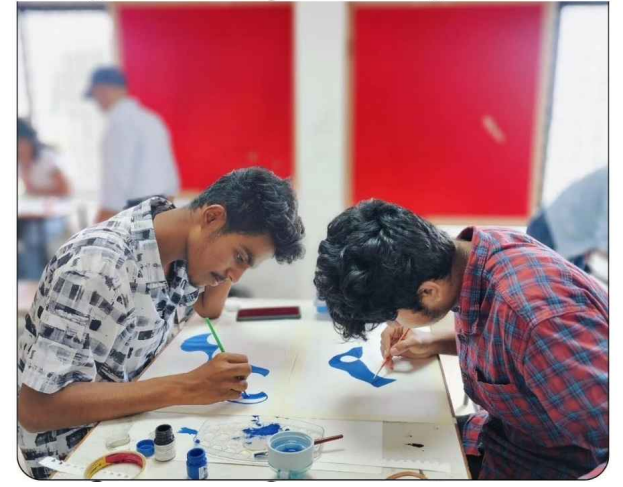
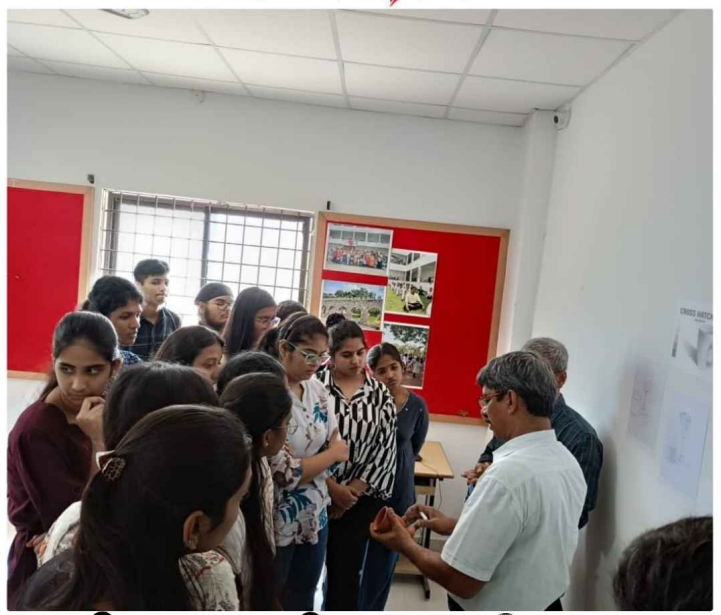
The Architectural Rendering Seminar held at ASPA was a one-day event focused on exploring the evolving field of architectural visualization. With advancements in technology, architectural rendering has become an essential tool for presenting design concepts in an engaging, realistic, and impactful manner. The seminar aimed to provide participants with a deeper understanding of both the theory and practical applications of architectural rendering.
Introduction:
The Architectural Rendering Seminar held at ASPA on 20th September 2024 by Prof.Krishna Mohan and Prof.Phaniswar was a one-day event focused on exploring the evolving field of architectural visualization.
- With advancements in technology, architectural rendering has become an essential tool for presenting design concepts in an engaging, realistic, and impactful manner.
- The seminar aimed to provide participants with a deeper understanding of both the theory and practical applications of architectural rendering.
3.A. Features of the Seminar
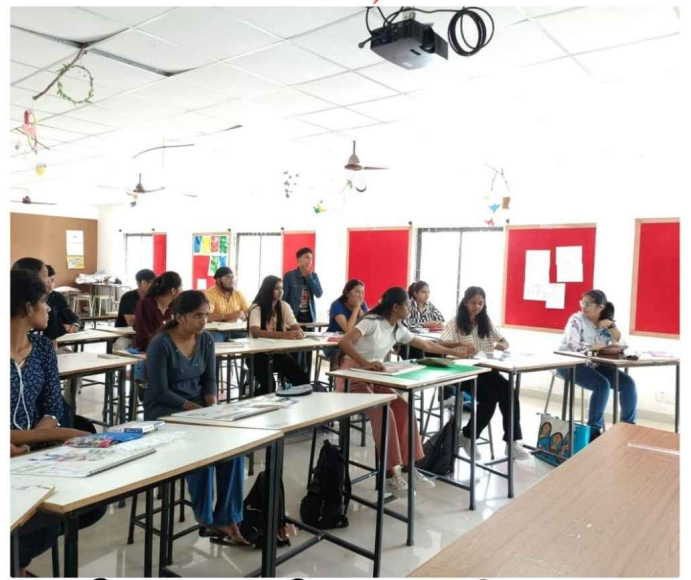
The event featured a variety of presentations and hands-on workshops, including:
- Introduction to Architectural Rendering Software: A deep dive into the software tools commonly used in the industry.
- Realistic Rendering Techniques: A session on how to create photorealistic renderings, covering topics such as lighting, texture mapping, and rendering settings.
- Virtual Reality (VR) in Architecture: A discussion on how VR is changing the way architects and clients experience spaces before they are built.
- Sustainability in Architectural Rendering: Exploring how renderings can highlight sustainable design features, such as energy-efficient buildings and environmentally friendly materials.
3.B. Features of the Seminar
Visualizing Architecture:
- The Power of Realistic Renderings: A session focused on the importance of realism in architectural renderings, covering:
- Techniques to achieve realistic lighting and shadows.
- Texturing and material mapping.
- Creating visualizations that showcase the functionality and aesthetic qualities of architectural designs.
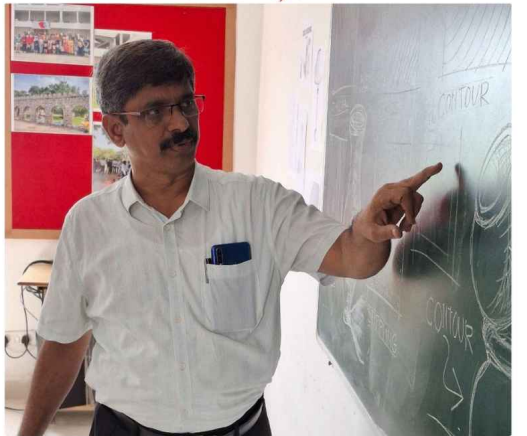
Interactive Q&A and Discussion:
- A Q&A session allowed students to ask questions related to the challenges of architectural rendering and seek advice from the seminar’s experts. Common queries involved overcoming difficulties with lighting in renderings, choosing the right rendering software, and developing a personal rendering style.
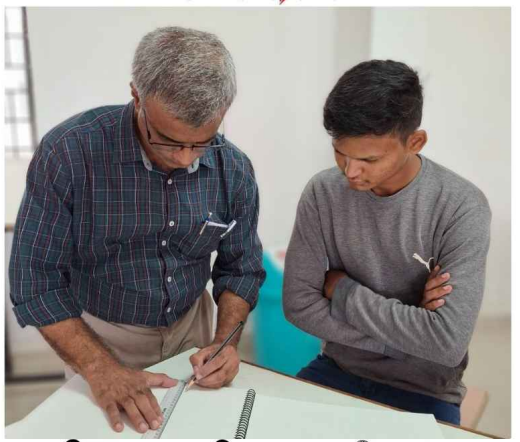
4.Origami Workshop
“From intricate folds to innovative structures-Origami Workshop with Ar. V. Sai Teja unlocking creativity in design.”
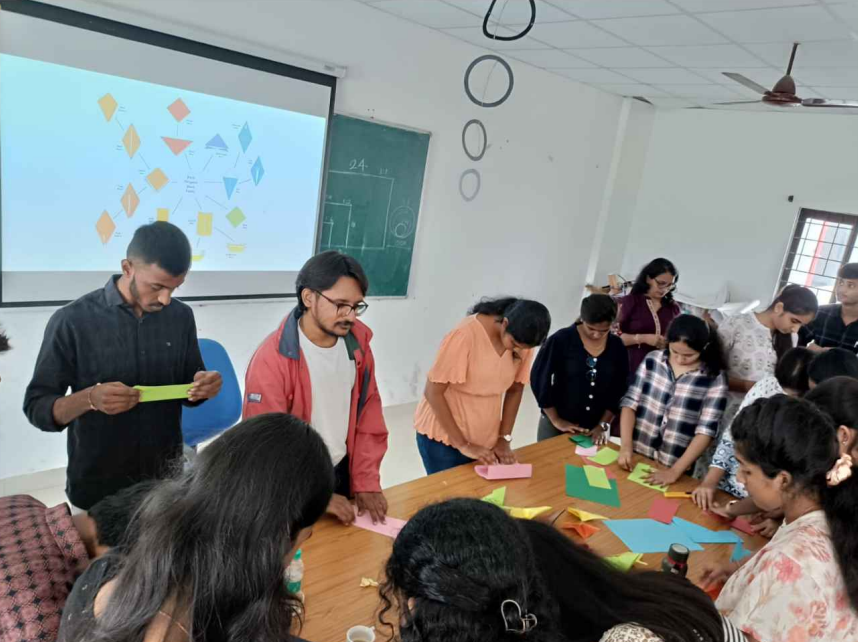
An Origami Workshop was organized at the Ashoka School of Planning and Architecture (ASPA) for first-year B.Arch students on 1st Ocotober, 2024. The workshop, conducted by Ar. Sai Teja, aimed to introduce students to the art of paper folding and its connection to architectural principles such as geometry, structure, and design. The event was intended to foster creativity, improve spatial thinking, and highlight the importance of precision and attention to detail in both art and architecture.
4.A.Objectives of the Workshop
The main objectives of the workshop were:
- To introduce students to the basic principles of origami and its relevance to architecture.
- To demonstrate how origami techniques can be applied to architectural design and problem-solving.
- To encourage hands-on learning and creative expression through paper folding.
- To enhance the students’ understanding of geometry, form, and structure, which are foundational concepts in architecture.
Workshop Highlights:
The workshop began with a brief introduction by Ar. Sai Teja, who shared insights into how origami relates to architectural design. He explained how the geometric principles and folding techniques used in origami can inspire and inform architectural forms, structures, and spatial configurations. Ar. Sai Teja also highlighted examples of famous architectural works influenced by origami, such as the use of folding techniques in modern facades and temporary structures.
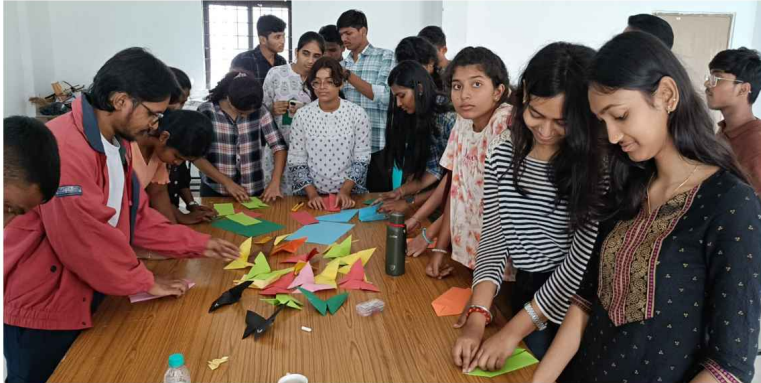
Hands-On Paper Folding Session:
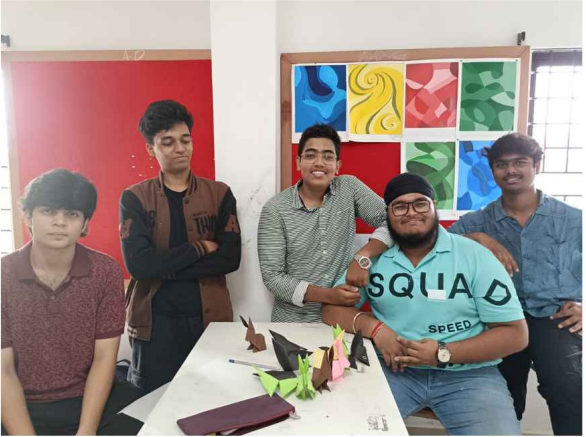
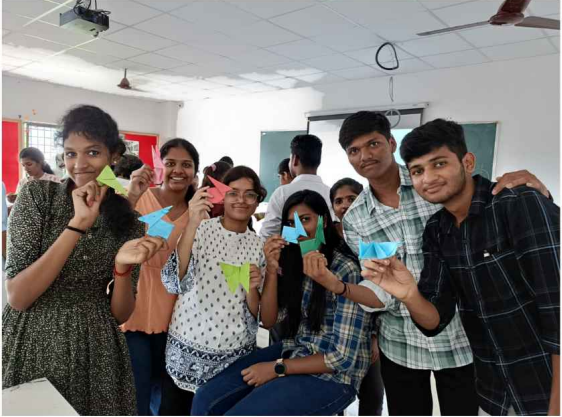
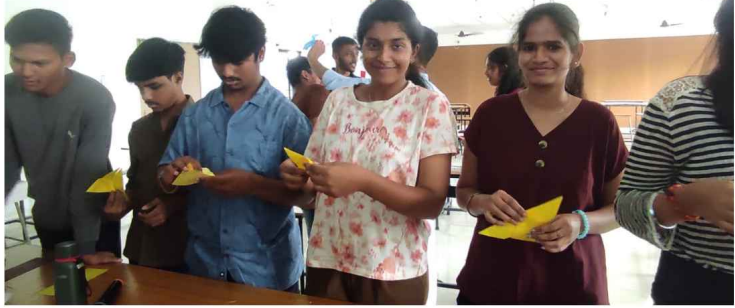
The bulk of the workshop involved a practical session where students learned various origami folds. Ar. Sai Teja demonstrated different techniques, starting with basic folds and progressing to more complex shapes. Students were guided through the process of creating various geometric models
5.Mud Architecture Workshop
Back to basics with nature! Exploring the beauty of sustainable design at the Mud Architecture Workshop by
Ar.Krishna Bhavana
M.Arch.SPAV Co-Founder Be
Earth Design Studio
Event Overview:
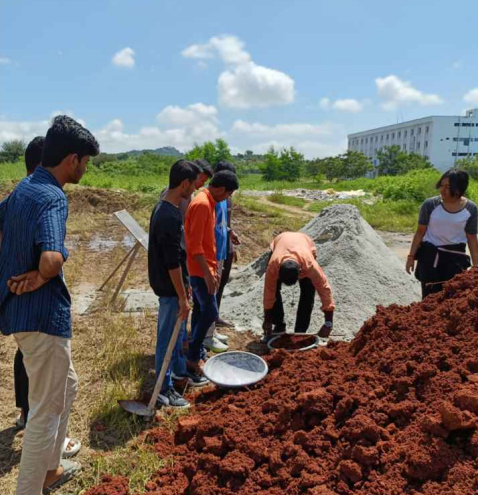
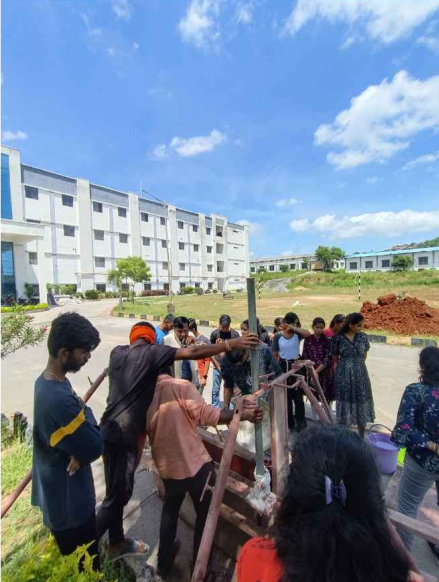
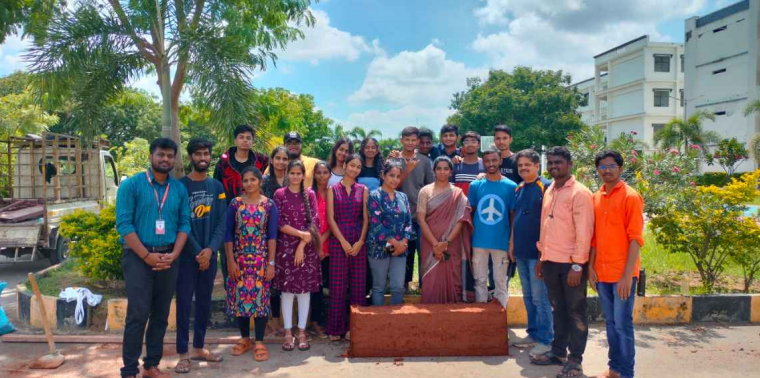
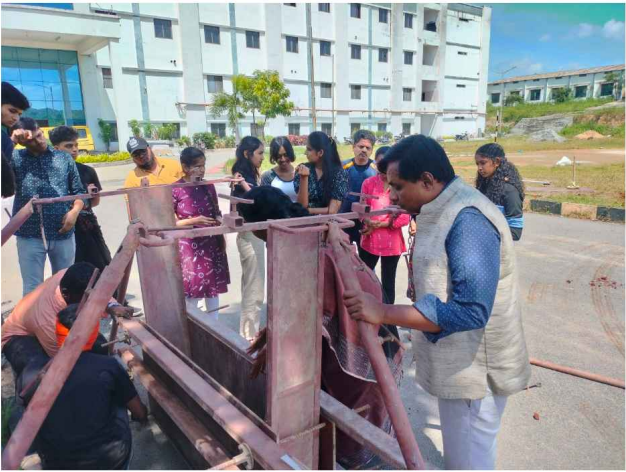
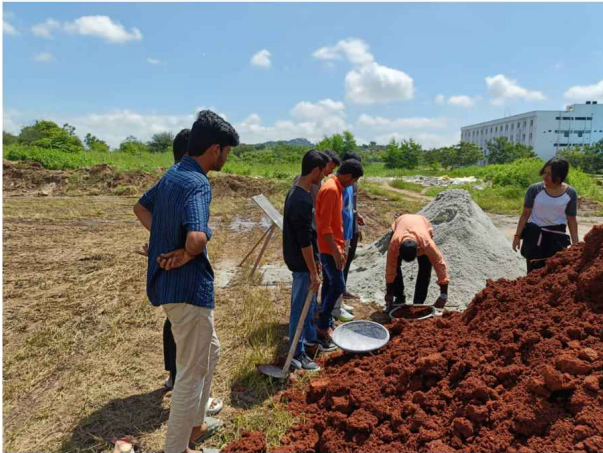
The Mud Architecture Workshop, organized by the Ashoka School of Planning and Architecture (ASPA), was held on [insert date] at the ASPA campus. The workshop aimed to introduce architecture students to the principles, techniques, and sustainable practices of mud architecture. This hands-on event offered students the opportunity to explore the historical significance of mud as a building material, its eco-friendly properties, and its potential for modern architectural designs.
5.A. Workshop Highlights
Introduction to Mud Architecture:
The workshop began with an introductory session by [insert speaker name], an expert in sustainable architecture and mud construction. The speaker provided a historical overview of mud architecture, discussing how it has been used across cultures and regions for centuries. Emphasis was placed on the adaptability, affordability, and sustainability of mud as a building material, which makes it especially relevant in today’s context of environmental challenges.
5.B.Conclusion
Introduction to Mud Architecture:
The Mud Architecture Workshop was a highly successful event that provided architecture students with a deeper understanding of sustainable building practices through the use of mud as a construction material. The combination of theoretical knowledge and practical experience offered students valuable insights into the potential of mud architecture, both as a traditional building method and as a contemporary, eco-friendly alternative in modern design.